
Types of Periodontal Disease

Types of Periodontal Disease
Periodontal disease (also known as periodontitis and gum disease) is a progressive condition that affects the supporting and surrounding tissues of the gums and the underlying jawbone. There are many types of periodontal disease, but all require prompt treatment by a periodontist in Collegeville, PA, to prevent tooth loss.
How Does Periodontal Disease Begin?
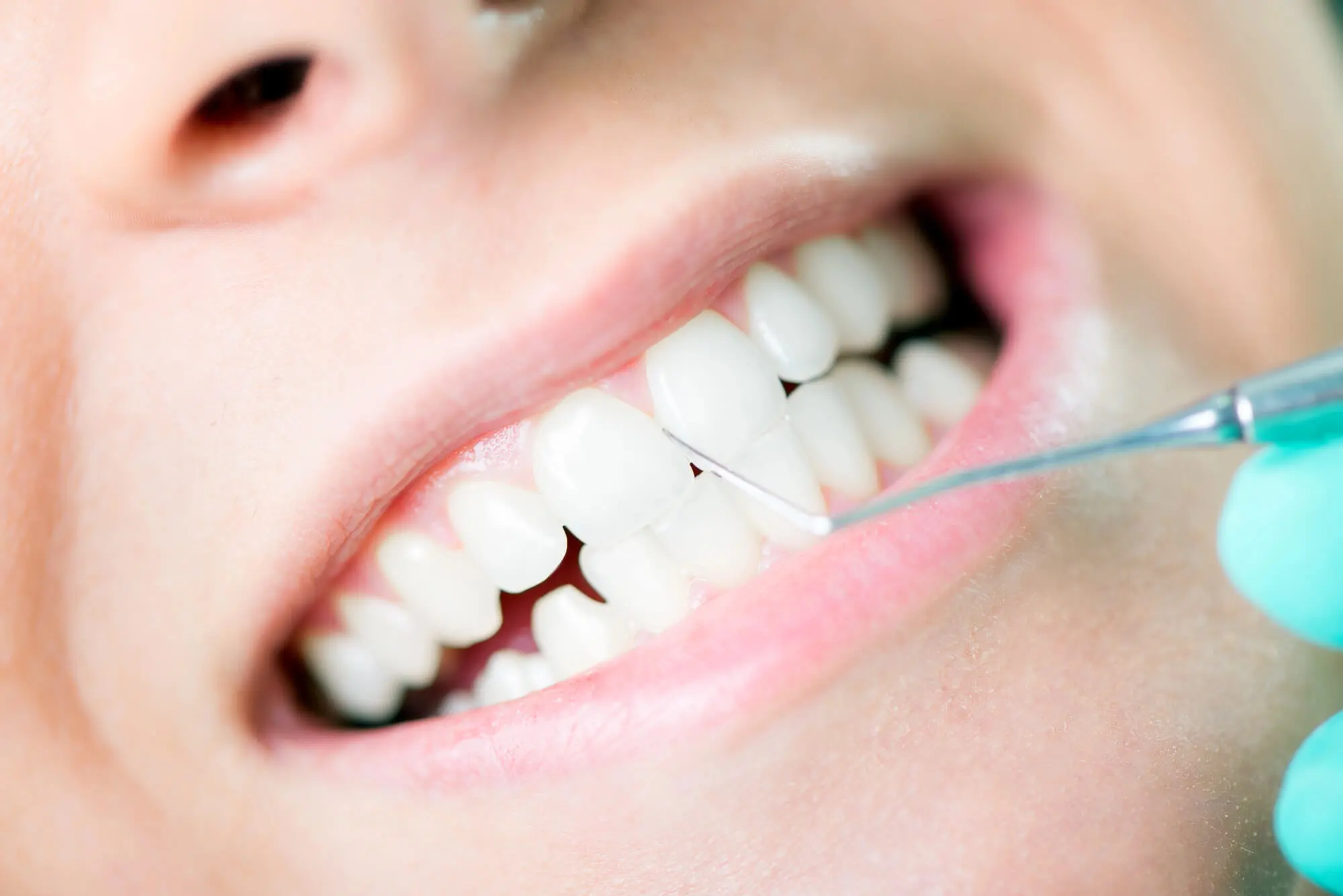
Periodontal disease begins when the toxins in plaque start to attack the soft tissue (gingiva) surrounding the teeth. This bacterium embeds itself in the gum and rapidly breeds, causing a bacterial infection.
As the infection progresses, it starts to burrow deeper into the tissue, causing inflammation or irritation between the teeth and gums. The body responds by destroying the infected tissue, which is why the gums appear to recede.
The resulting pockets between the teeth deepen and, if no treatment is sought, the jawbone tissue also recedes, causing unstable teeth and tooth loss.
Types of Periodontal Disease
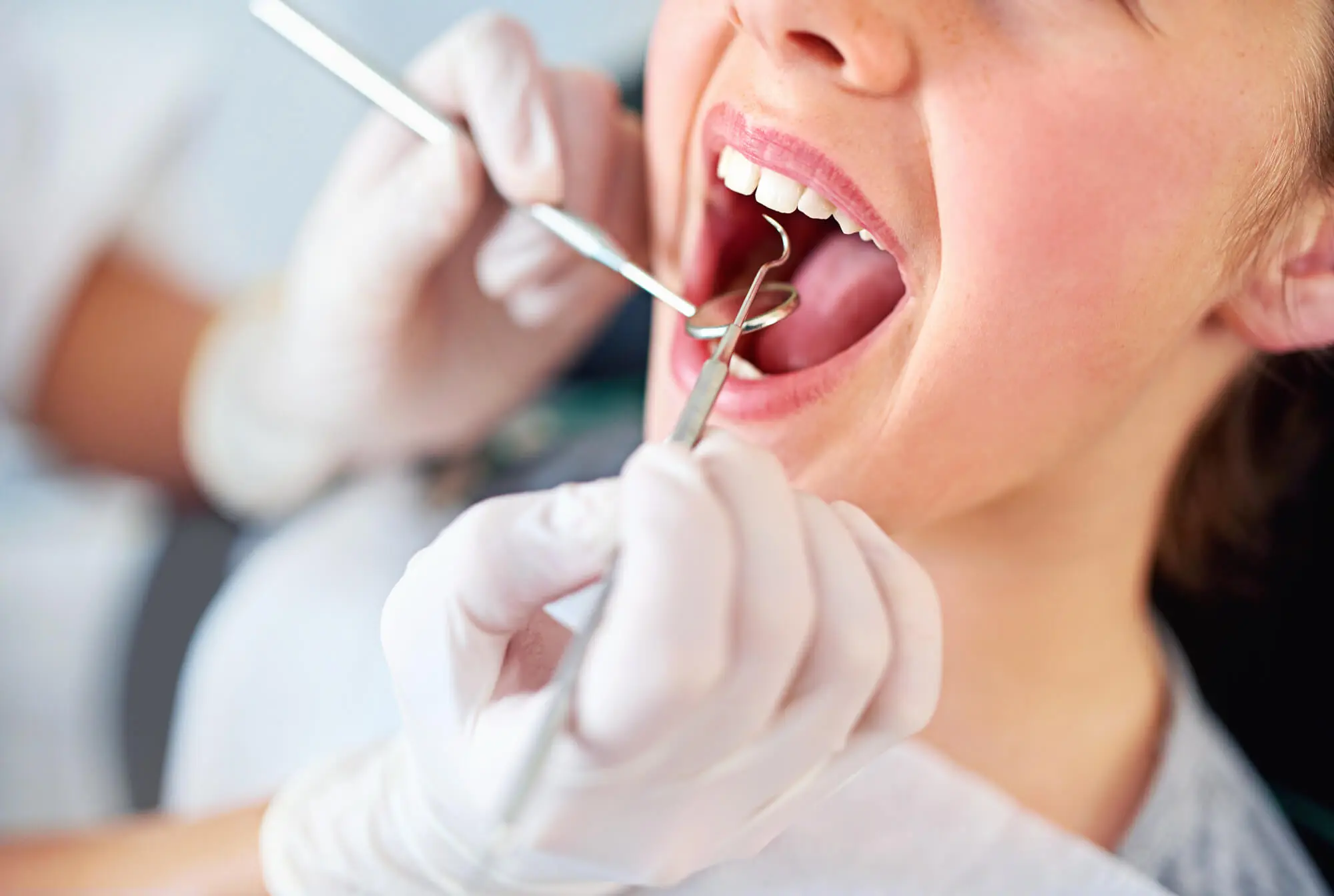
There is a wide variety of periodontal diseases, and many ways in which these variations manifest themselves. All require immediate treatment by a periodontist to halt the progression and save the gum tissue and bone.
Here are some of the most common types of periodontal disease, along with the treatments typically performed to correct them:
Gingivitis
Gingivitis is the mildest and most common form of periodontitis. The toxins in plaque cause it and lead to periodontal disease. People at increased risk of developing gingivitis include pregnant women, women taking birth control pills, people with uncontrolled diabetes, steroid users, and people who control seizures and blood pressure using medication.
- Treatment: Gingivitis is easily reversible using a solid combination of home care and professional cleaning. The dentist may perform root planing and deep scaling to remove debris from the pockets, in combination with antibiotics and medicated mouthwashes to kill any remaining bacteria.
Chronic Periodontal Disease
Chronic periodontal disease is the most common form of the disease, and occurs much more frequently in people over 45. It is characterized by inflammation below the gum line and the progressive destruction of the gingival and bone tissue. It may appear that the teeth are gradually growing in length, but in actuality, it’s the gums that are gradually recessing.
- Treatment: Unfortunately, unlike gingivitis, chronic periodontal disease cannot be completely cured because gum tissue cannot be rebuilt. However, the dentist can halt the progression of the disease using scaling, root planing, and antimicrobial treatments. If necessary, we can perform surgical procedures to strengthen the bone, such as pocket reduction and tissue grafting.
Aggressive Periodontal Disease
Aggressive periodontal disease is characterized by rapid loss of gum attachment, rapid bone loss, and familial aggregation. The disease itself is the same as chronic periodontitis, but the progression is much faster. Smokers and those with a family history of this disease are at an increased risk of developing aggressive periodontitis.
- Treatment: The treatments for aggressive periodontal disease are the same as those for chronic periodontal disease, but aggressive periodontal disease sufferers are far more likely to require a surgical intervention. In some cases, laser procedures can be performed to save valuable tissue and bone.
Periodontal Disease Relating to Systemic Conditions
Periodontal disease can be a symptom of a disease or condition affecting the rest of the body. Depending on the underlying condition, the disease can behave like aggressive periodontal disease, working quickly to destroy tissue.
Heart disease, diabetes, and respiratory disease are the most common cofactors, though many others exist. Even in cases where little plaque coats the teeth, many medical conditions intensify and accelerate the progression of periodontal disease.
- Treatment: Initially, the medical condition that caused the onset of periodontal disease must be controlled. Then, the dentist will halt the progression of the disease using the same treatments used for controlling aggressive and chronic periodontal disease.
Necrotizing Periodontal Disease
This form of the disease rapidly worsens and is more prevalent among people who have HIV, immunosuppression, malnutrition, chronic stress, or who smoke. Tissue death (necrosis) frequently affects the periodontal ligament, gingival tissues, and alveolar bone.
- Treatment: Necrotizing periodontal disease is extremely rare. Because it may be associated with another serious medical condition, your periodontist will likely consult a physician before commencing treatment. Scaling, root planing, antibiotic pills, medicated mouthwash, and fungicidal medicines are generally used to treat this form of the disease.
Find a Periodontist Who Can Treat All Types of Periodontal Disease in Collegeville, PA
If left untreated, periodontal disease can result in loose, unstable teeth and even tooth loss. It is, in fact, the leading cause of tooth loss in adults in the developed world and should not be taken lightly.
No matter what type of periodontal disease you’re struggling with, the team at Collegeville Dental Center can help. Contact us today, and let’s explore treatment options available for you together!
Ready for Your First Appointment?