Bone Grafting

Bone Grafting
Bone grafting is an advanced dental procedure used to restore lost or weakened jawbone and create a strong foundation for future dental restorations. If you’re considering dental implants, bridges, and other restorative solutions, bone grafting in Collegeville, PA, plays a critical role, helping you achieve long-lasting oral health and stability.
What Is Bone Grafting?
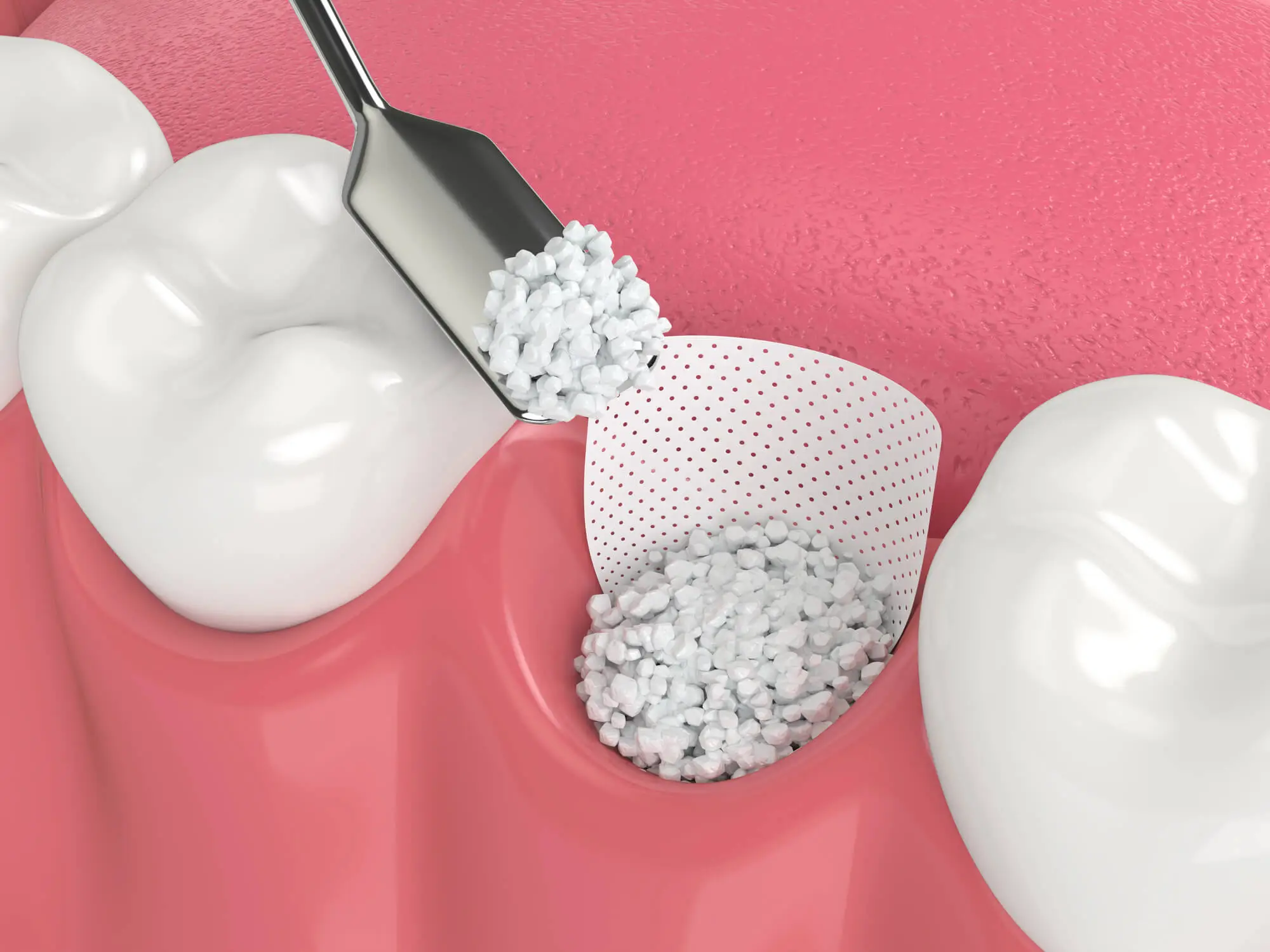
Bone grafting is a procedure that rebuilds or regenerates jawbone in areas where bone loss has occurred.
For many restorative treatments—especially dental implants—the height, width, and density of the jawbone are essential for long-term success. When the jawbone is too thin or weakened, bone grafting is often recommended to reinforce the area and allow proper support for restorations.
Over time, the grafted bone integrates with your natural bone, creating a stronger and more stable foundation.
What Causes Jawbone Loss?
Several factors can contribute to bone loss in the jaw, including:
- Periodontal (Gum) Disease: Advanced gum disease can permanently damage the bone that supports the teeth, leading to tooth instability and bone deterioration.
- Tooth Extractions: After a tooth is removed, the surrounding bone no longer receives stimulation and can shrink significantly—often losing up to 40–60% of its volume within a few years.
- Injuries or Trauma: Accidents or facial injuries can cause damage to the jawbone, leading to bone recession.
- Infections: Untreated dental infections can destroy bone tissue over time.
Why Would I Need Bone Grafting?
Bone grafting is a highly successful procedure in most cases. It can increase the height or width of the jawbone and fill in voids and defects in the bone.
There are essentially two basic ways in which bone grafting can positively impact the health and stability of the teeth:
- Jaw Stabilization: Bone grafting stabilizes and helps restore the jaw foundation for restorative or implant surgery. Deformities can also be corrected, and the restructuring can provide added support.
- Preservation: Bone grafting can be used to limit or prevent bone recession following a tooth extraction, periodontal disease, or other invasive processes.
What Types of Bone Grafts Are Available?
Your dentist will recommend the most appropriate graft type based on your individual needs. Common options include:
- Autogenous Bone Graft: Harvested from the patient’s own body (usually from the posterior part of the lower jaw or the chin). This method is usually preferred because it produces the most predictable results.
- Allograft Bone Graft: Cadaver or synthetic bone is used in this type of graft.
- Xenograft: Cow bone is used in this type of graft.
What Does Bone Grafting Involve?
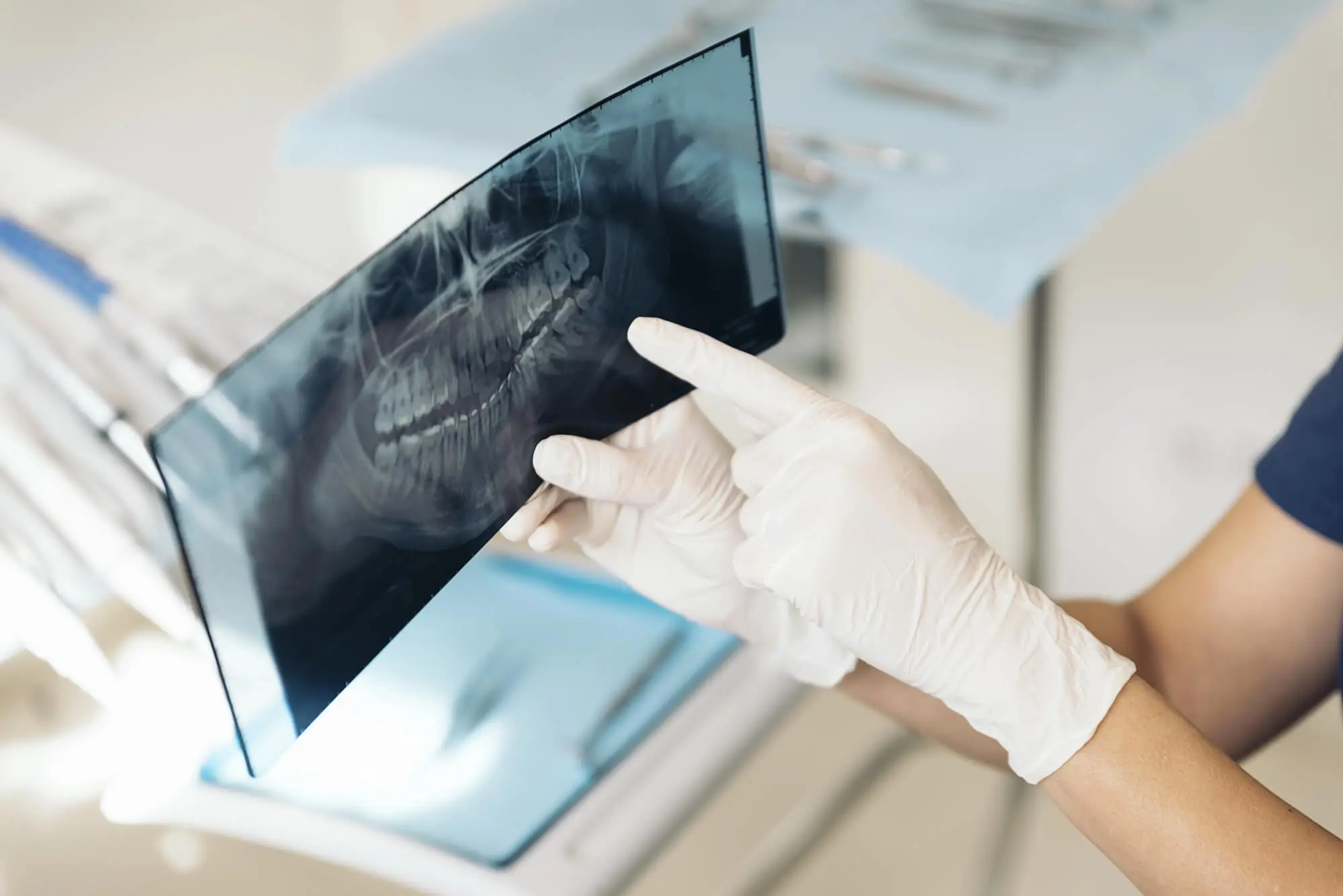
Before treatment begins, your dentist will thoroughly examine your oral health. Any gum disease or infection will be treated first to ensure a healthy environment for bone regeneration. Diagnostic imaging—such as panoramic X-rays or, in some cases, a CT scan—helps determine the exact amount of bone needed.
Then, on the day of surgery, the procedure goes as follows:
- The area is numbed with local anesthesia to ensure comfort.
- A small incision is made to access the graft site.
- The bone graft material is placed and secured.
- In some cases, a protective membrane is placed to promote bone growth and prevent soft-tissue interference.
- The site is closed, and healing begins.
Bone grafting is typically performed as an outpatient procedure, and no overnight stay is required.
Recovery and Healing for Gum Grafting
Bone grafting requires several months of healing while the new bone integrates with your natural jawbone. During this time, you’ll receive detailed post-operative instructions and may be prescribed medications to manage swelling, discomfort, or infection.
Good oral hygiene, proper nutrition, and regular follow-up visits are essential for successful healing.
Find Expert Bone Grafting in Collegeville, PA
If you’ve been told you don’t have enough bone for dental implants—or want to protect your jawbone after tooth loss—bone grafting may be the solution. At Collegeville Dental Center, our experienced team provides advanced bone grafting procedures tailored to your needs.
Contact our office today to schedule a consultation and learn how bone grafting can help restore your oral health.

Ready for Your First Appointment?