Botox®
Botox®
Botox® is widely known for its cosmetic benefits, such as reducing facial wrinkles, but it has also become an effective and increasingly popular treatment for temporomandibular joint (TMJ) disorders. At Collegeville Dental Center, Botox® is used therapeutically to help relieve jaw tension, chronic headaches, and facial pain caused by TMJ dysfunction.
For patients whose symptoms do not improve with conservative treatments alone, Botox® in Collegeville, PA, can provide fast, long-lasting relief and improve overall quality of life.
What Is Botox® for TMJ?
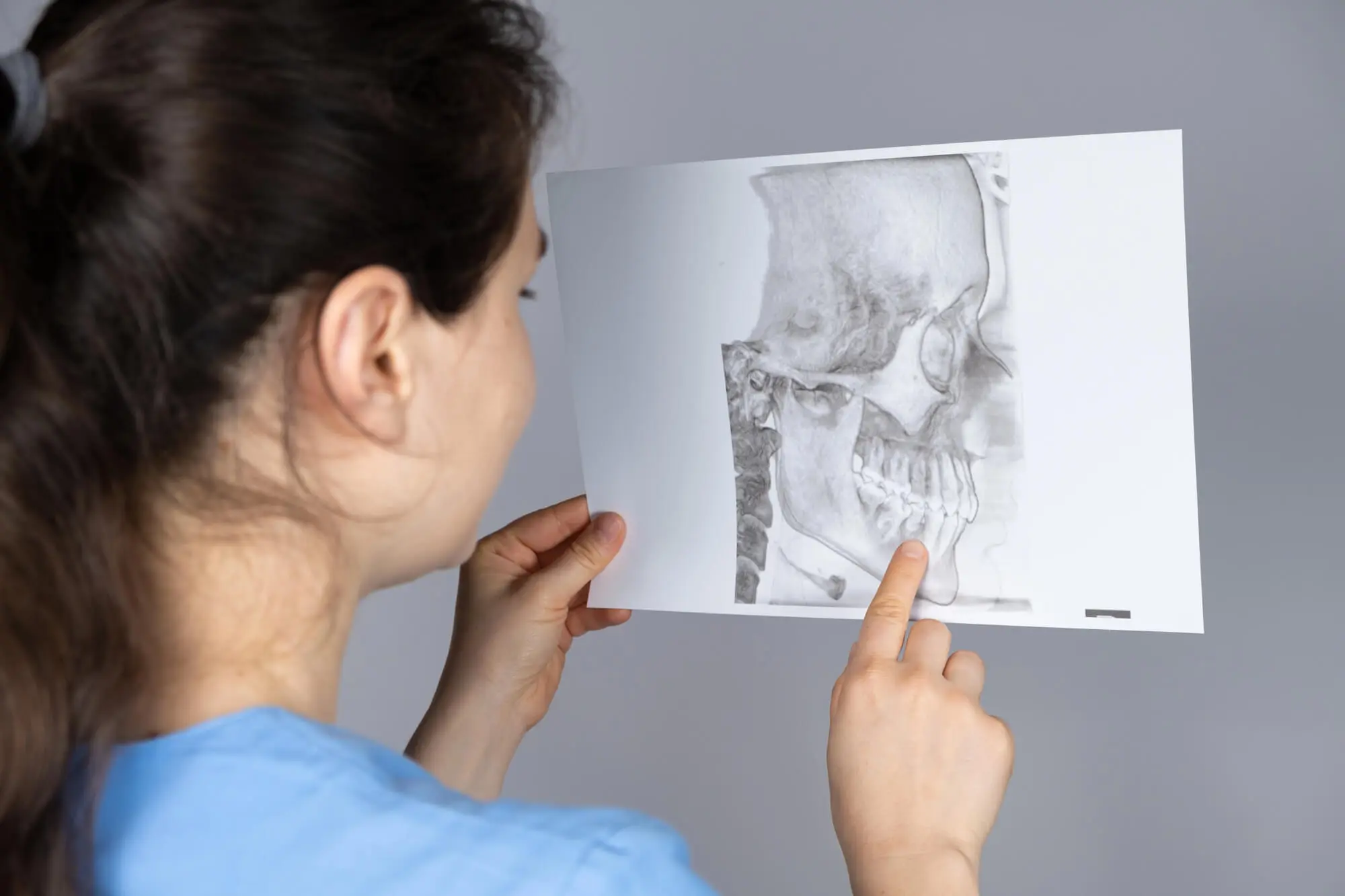
Temporomandibular joint disorder (TMJ or TMD) affects the joint that connects the jawbone to the skull. This joint is responsible for essential daily functions such as chewing, speaking, swallowing, and yawning. TMJ disorders can be difficult to diagnose because symptoms often mimic other conditions, including sinus infections or ear problems.
Common TMJ symptoms include:
- Jaw pain or stiffness
- Frequent headaches or migraines
- Earaches or facial pain
- Lockjaw or limited jaw movement
- Teeth grinding or clenching (bruxism)
Botox® for TMJ works by relaxing overactive jaw muscles, reducing tension and involuntary movements that contribute to pain and inflammation.
How Can Botox® Help TMJ Symptoms?
Stress, jaw misalignment, and unconscious muscle activity—such as nighttime grinding—are common contributors to TMJ disorders. During periods of stress, symptoms often worsen, leading to increased pain, headaches, and jaw dysfunction.
Some benefits of getting Botox® for TMJ include:
- Reduced jaw tension and muscle stiffness
- Relief from headaches caused by teeth grinding
- Decreased facial, neck, and shoulder pain
- Minimization of lockjaw and jaw fatigue
- Improved comfort when chewing and speaking
By addressing muscle overactivity, Botox® helps break the cycle of pain without affecting normal jaw function.
How Does Botox® for TMJ Work?
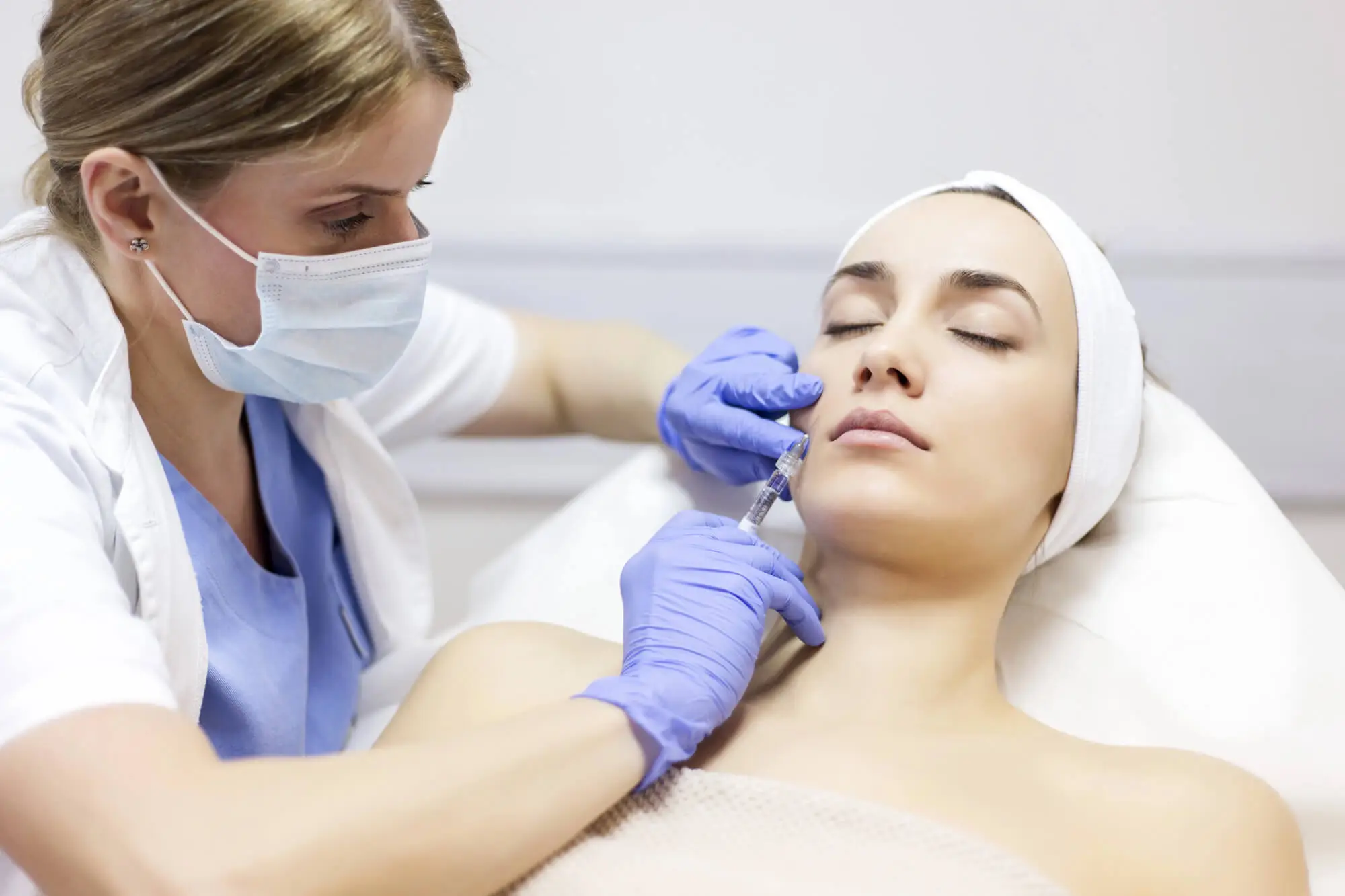
Botox® is a purified protein that temporarily relaxes targeted muscles. When injected into specific jaw muscles, it prevents excessive muscle contraction while allowing normal movement to continue.
One of the major advantages of Botox® is that essential activities—such as speaking, swallowing, and biting—remain completely unaffected. Patients typically notice a reduction in pain and tension without any loss of function.
Treating TMJ with Botox® may also help prevent long-term dental complications. Untreated TMJ can contribute to tooth wear, gum disease, cracked or loose teeth, and other dental problems over time.
What’s Involved in Getting Botox® for TMJ?
Before treatment, your dentist will review your medical history and evaluate your TMJ symptoms to determine if Botox® is appropriate for you. Certain medications and medical conditions may affect candidacy, and Botox® is not recommended for pregnant or breastfeeding patients.
The actual procedure involves:
- Botox® injections are performed in-office and take approximately 10–20 minutes
- The injections feel similar to a small pinprick or bug bite
- Nitrous oxide (laughing gas) may be available for patients with dental anxiety, but injections are no more painful than a bug bite or pinprick.
Because no sedation or recovery room is required, you may drive yourself home after treatment. Normal activity can be resumed immediately after the Botox® treatment, but strenuous activity should be avoided for 24 hours.
Relieve TMJ Pain with Botox® in Collegeville, PA
If TMJ symptoms are interfering with your comfort, sleep, or daily activities, Botox® treatment may provide the relief you’ve been looking for. It may take several days to feel the full benefits of the treatment, but Botox® will continue to work for up to 3 months.
If you want to learn more about Botox® for TMJ treatment in Collegeville, PA, contact our office today to schedule a consultation.
Ready for Your First Appointment?