
Common Topics
Common Topics
Education is the foundation of good oral health, especially for children. At Collegeville Dental Center, we aim to provide you with the resources and knowledge you need to help your child develop healthy dental habits. By understanding common dental issues and how to prevent them, parents can give their children the best chance for a lifetime of smiles.
How to Care for Your Child’s Teeth
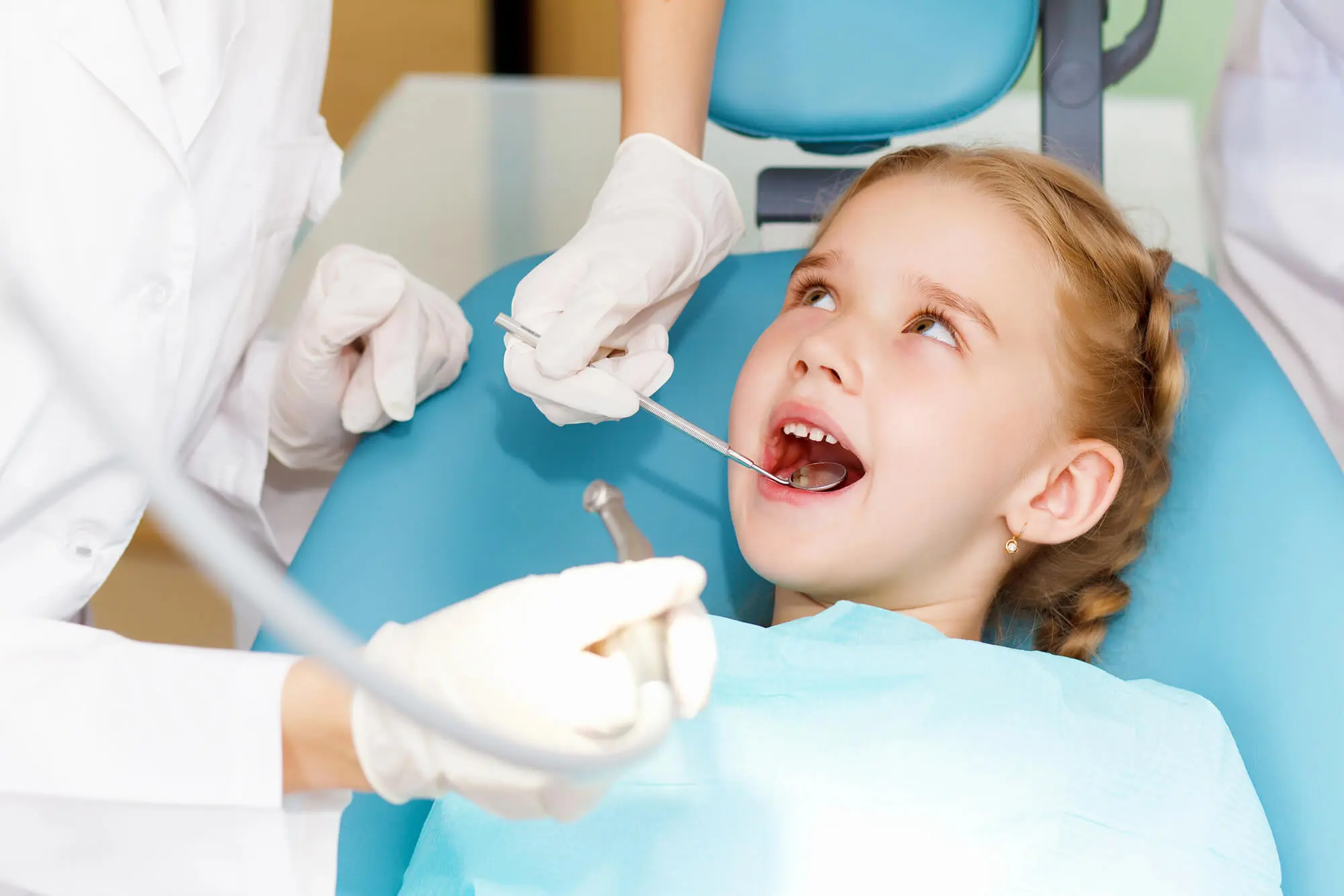
Pediatric oral care involves both professional treatments and at-home practices.
While regular dental visits play a big role, the habits you instruct your child at home make the biggest difference in their approach to dental care, fostering the development of good chewing habits, speech production, and the proper spacing for adult teeth.
Unfortunately, tooth decay and cavities in children have become increasingly common, but with a good dental care strategy, these risks can be minimized.

When Will My Child’s Teeth Erupt?
The development of primary (baby) teeth follows a predictable timeline. Typically, primary teeth begin to erupt at around six months of age and are fully in place by age three. Once the first baby tooth comes, experts recommend scheduling the child’s first dental visit.
The eruption of adult teeth usually begins around age six, with a full set of permanent teeth emerging by adolescence.
Are There Any Prenatal Dental Care Tips to Follow?
A nourishing prenatal diet is vital for the development of your baby’s teeth, gums, and bones. The healthier the diet during pregnancy, the better the initial conditions for your baby’s future teeth.
How Can a Pediatric Dentist Care for My Child’s Teeth?
A pediatric dentist specializes in the unique needs of children’s dental health, which involves more than just treating tooth decay. We are trained to help prevent issues and address oral health concerns at every stage of development. Here’s what a typical pediatric dental visit includes:
- Examination and Cleaning: We examine your child’s teeth for signs of early decay and provide a professional cleaning to remove plaque and tartar.
- Fluoride Treatments and Sealants: Fluoride helps protect tooth enamel, and dental sealants are applied to the chewing surfaces of molars to prevent cavities.
- Educational Guidance: We will teach your child proper brushing and flossing techniques, provide dietary advice, and discuss habits such as thumb sucking or pacifier use.
What Is the Purpose of Dental Checkups?
Dental checkups are not just for cleaning—they are an essential part of maintaining good oral health and preventing future dental problems. During your child’s first and subsequent visits, the pediatric dentist works to:
- Establish a Dental Home: A regular dental home ensures that your child has a familiar place to turn to in case of a dental emergency or concern.
- Track Dental Development: The pediatric dentist monitors your child’s tooth and jaw development, helping to catch any potential issues before they become problems.
- Early Detection of Problems: Dental exams often include X-rays to spot small cavities that may not yet be visible. Catching issues early allows for less invasive treatment and better long-term outcomes.
What Is Baby Bottle Tooth Decay?
Baby bottle tooth decay (also known as early childhood caries) is the decay of an infant’s teeth, often caused by prolonged exposure to sugary liquids. The most affected teeth are usually the upper front teeth. If left untreated, baby bottle tooth decay can lead to tooth loss, malnutrition, and speech problems.
To prevent baby bottle tooth decay:
- Avoid putting your child to bed with a bottle of milk or juice
- Clean your infant’s gums after feedings with a clean, soft cloth
- Once teeth emerge, begin brushing them with a small, soft toothbrush
How Can I Prevent Cavities at Home?
Preventing cavities begins with good at-home care. Here are some tips for reducing the risk of tooth decay:
- Diet: Limit sugary snacks and drinks, and encourage water consumption to cleanse the teeth.
- Brushing and Flossing: Brush your child’s teeth twice a day with fluoride toothpaste and floss once a day.
- Use of Fluoride: Fluoride strengthens tooth enamel, helping to prevent cavities.
- Regular Checkups: Regular dental visits help catch early signs of decay and other dental issues.
How Can Thumb Sucking and Pacifier Use Damage Teeth?
Although thumb sucking and pacifier use are natural for infants, prolonged use can cause dental problems as your child grows. Here’s how they can affect your child’s oral health:
- Jaw Misalignment: Prolonged sucking can affect the alignment of your child’s jaws and teeth.
- Tooth Decay: Dipping pacifiers in sugary substances, such as honey, can lead to tooth decay.
- Mouth Structure Issues: Persistent sucking may lead to changes in the roof of the mouth or cause teeth to slant or protrude.
To minimize these risks, limit pacifier use as your child grows and avoid dipping pacifiers in sugary substances. After age 2, we recommend you begin weaning from pacifiers and thumb sucking.
Why Does Early Orthodontic Treatment Make Sense?
In some cases, early intervention can make a big difference in your child’s oral development. Early orthodontic treatment may be recommended for children showing signs of bite problems or misalignment. Benefits include:
- Improved facial aesthetics and self-confidence
- Proper jaw growth and alignment of adult teeth
- Reduced risk of cavities and gum disease
- Easier and shorter orthodontic treatment later in life
Does Your Child Grind Their Teeth at Night?
Teeth grinding (bruxism) is common among children, particularly during sleep. Bruxism can lead to worn teeth, jaw discomfort, and headaches. If you notice signs of grinding, such as worn enamel or jaw pain, a pediatric dentist can help identify the cause and provide solutions, such as mouthguards or behavioral strategies.
Learn Common Topics in Pediatric Dental Care in Collegeville, PA
At Collegeville Dental Center, we believe that informed parents make the best decisions for their children's health. If you have any questions about your child's dental care or need advice on any of the topics covered, our team is here to help.
Contact our office today to schedule a consultation and ensure your child gets the best start toward a lifetime of healthy smiles!

Ready for Your First Appointment?