
Causes of Periodontal Disease

Causes of Periodontal Disease
Bleeding gums are more than an inconvenience: they are the initial stages of periodontitis, a dangerous condition that can harm your oral and overall health in the future. The key to avoiding that begins with understanding common causes of periodontal disease in Collegeville, PA, and how expert periodontists can help manage it.
What Is Periodontal Disease?
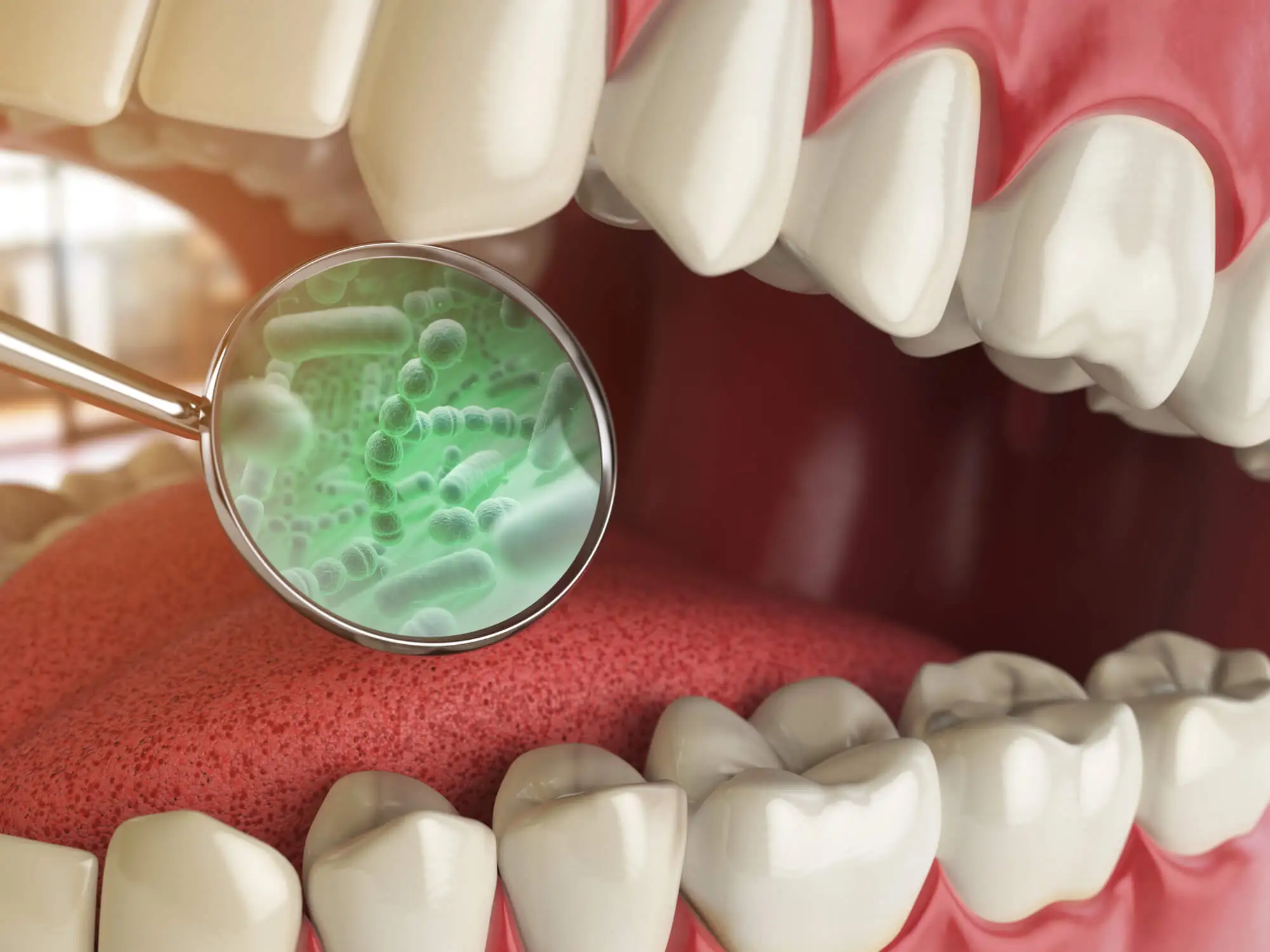
Periodontal disease, also known as gum disease and periodontitis, is a progressive condition that affects your gingival tissue.
Gum disease begins when bacteria accumulate under your gum line, leading to inflammation and irritation of the gingival tissues that surround and support your teeth. The bacterial infection causes deep pockets to form between the teeth and the gums, which weakens tooth stability, causes sensitivity, and leads to gum recession.
If treated promptly by a periodontist, the effects of mild inflammation are completely reversible. However, if the bacterial infection is allowed to progress, periodontal disease begins to destroy the gums and the underlying jawbone, promoting tooth loss.
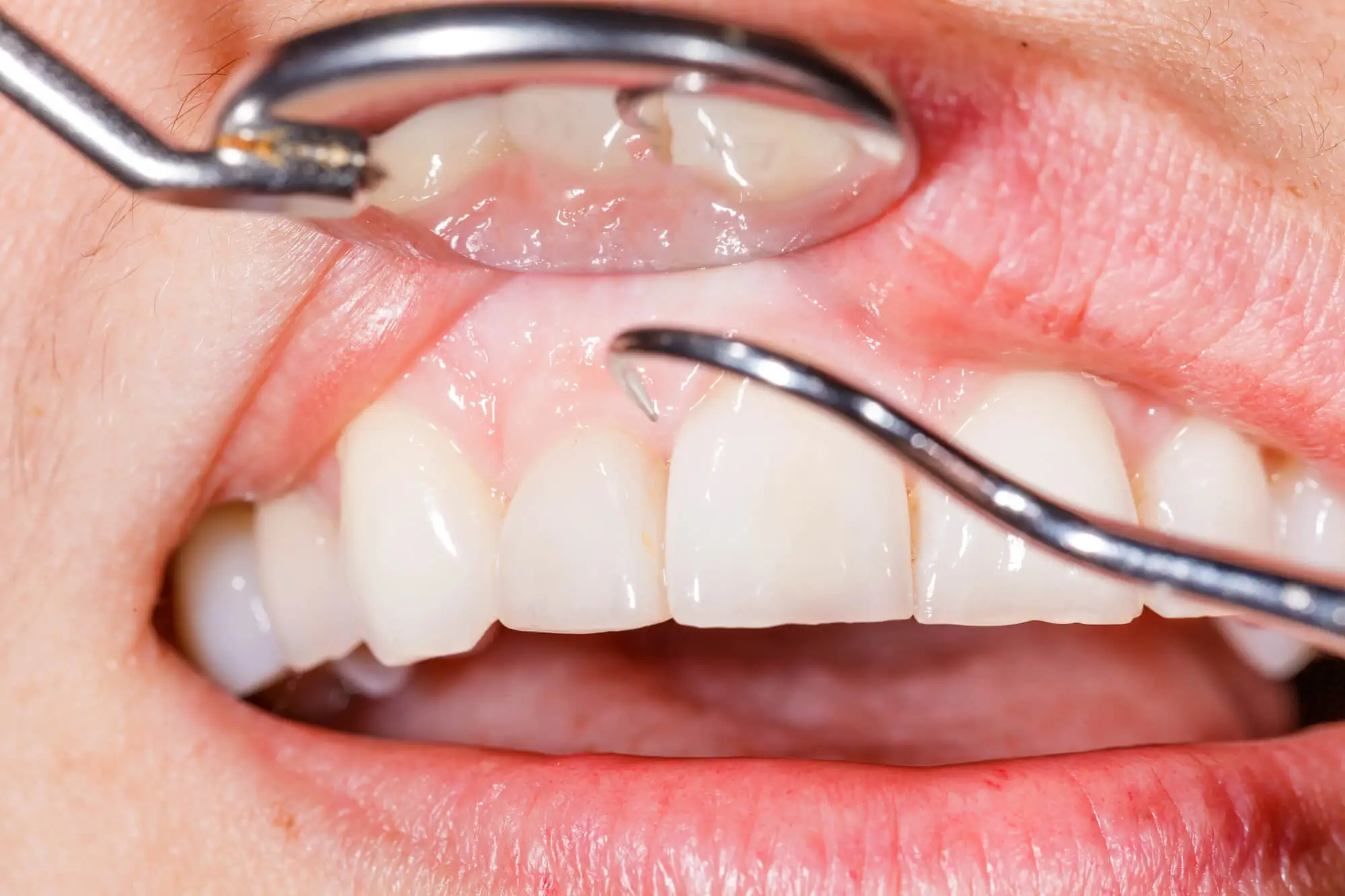
Common Causes of Gum Disease
Both genetic and environmental factors contribute to the onset of gum disease. In many cases, the risk of developing periodontitis can be significantly reduced by taking preventive measures.
Here are some of the most common causes of gum disease:
Poor Dental Hygiene
Preventing dental disease starts at home with good oral hygiene and a balanced diet. Regular dental visits (with thorough dental exams, cleanings, and x-rays) are also fundamental to keeping your smile in top condition.
This combination of excellent home care and professional dental care helps prevent plaque and tartar buildup, preserving the natural dentition and supporting bony structures.
Tobacco Use
Smoking and tobacco use are some of the most significant factors in the development and progression of gum disease.
Besides slowing your body’s ability to recover and heal, smoking increases your chances of developing calculus (tartar) build-up on teeth, deep pockets in the gingival tissue, and significant bone loss.
Genetic Predisposition
Despite practicing rigorous oral hygiene, some patients have a strong genetic predisposition to gum disease. These individuals are more likely to develop periodontal disease than individuals with no genetic predisposition.
Genetic tests can be used to determine susceptibility, and early intervention can help keep the oral cavity healthy.
Pregnancy and Menopause
During pregnancy, regular brushing and flossing are critical. Hormonal changes can make the gum tissue more sensitive, increasing susceptibility to gum disease.
Chronic Stress and Poor Diet
Stress reduces the immune system's ability to fight off disease, allowing bacterial infections to overcome the body’s defenses. Poor diet or malnutrition can also reduce the body’s ability to fight periodontal infections and negatively affect gum health.
Diabetes and Underlying Medical Issues
Many medical conditions can intensify or accelerate the onset and progression of gum disease, including respiratory disease, heart disease, arthritis, and osteoporosis. Diabetes impairs the body’s ability to use insulin, making bacterial infections in the gums more difficult to control and treat.
Grinding Teeth
Teeth clenching or grinding can significantly damage the supporting tissues surrounding the teeth. When an individual is suffering from gum disease, additional destruction of the gingival tissue from grinding can accelerate its progression.
Medication
Many drugs, including oral contraceptive pills, heart medicines, anti-depressants, and steroids. affect the overall condition of teeth and gums, making them more susceptible to gum disease. Steroid use promotes gingival overgrowth, which makes swelling more common and allows bacteria to colonize the gum tissue more readily.
How Is the Treatment of Periodontal Disease?
Periodontists specialize in the treatment of gum disease and the placement of dental implants. A periodontist has several methods to help manage periodontitis, all depending on the severity of the disease. Some of these include:
- Scaling and Root Planing: This effective cleaning procedure is performed in deep pockets to remove any bacteria.
- Antibiotic and Antifungal Medications: These can be prescribed to treat infection and halt the progression of the disease.
- Gum Graft: Where gum recession causes a “toothy” looking smile, the periodontist can recontour the gingival tissue to create an even and aesthetically pleasing appearance.
- Bone Graft: In the case of tooth loss, the periodontist can perform tissue grafts to promote natural tissue regeneration and insert dental implants if a tooth or several teeth are missing.
Understand the Causes of Periodontitis in Collegeville, PA, and How to Manage It
Periodontal disease is more than a dental condition. In some cases, the bacteria from this infection can travel to other areas of the body via the bloodstream. For that reason, preventing it is critical in preserving your health.
Addressing the causes of gum disease and discussing them with your dentist will help prevent the onset, progression, and recurrence of periodontal disease. If you have any questions or concerns about periodontitis, Collegeville Dental Center can help. Contact us today and let’s work together to restore your oral health!
Ready for Your First Appointment?